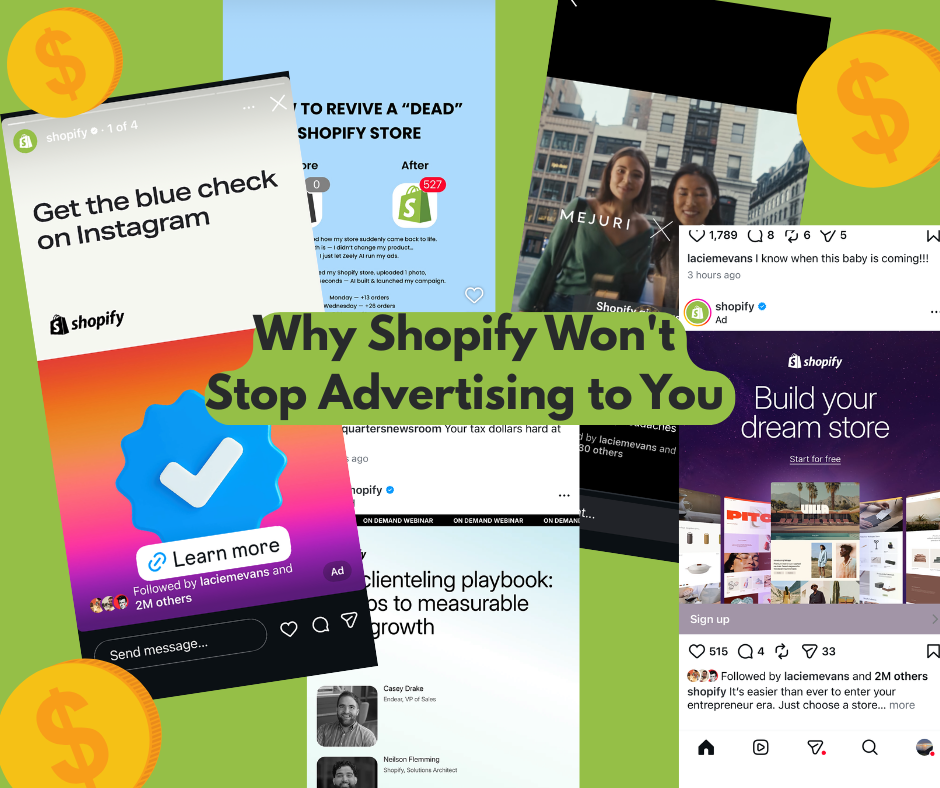
I have been bombarded with ads from Shopify across all social media platforms and Google ads. This budget must be big for them to be spending so much money on advertising. I have noticed that when there are large layoffs, there’s an uptick in the amount of ads that Shopify is putting out. Now this could be just a coincidence, or it could be Shopify’s way of capitalizing on a moment when people are looking for an alternative income, streams and entrepreneurial opportunities. But the real question is: is it actually a good time to start an e-commerce brand, and if so, what kind of brand should you start?
One of the ads that I’ve seen the most from Shopify is talking about drop shipping. For those unfamiliar, drop shipping is a business model where you sell products on your online store without actually holding any inventory. When a customer makes a purchase, you simply forward the order to a third-party supplier who ships the product directly to the customer. You never touch the product yourself, which means minimal upfront investment and no storage costs. There are so many ways you can use drop shipping. Websites like Printify allows you to create custom t-shirts and designs for a whole bunch of products. It is a free platform to use—all you have to do is create an account and connect your Shopify or Etsy shop, and you can start selling t-shirts, hoodies, mugs, and more. There are similar websites to Printify, like Printful and Redbubble. You can also go on websites like Alibaba and AliExpress to buy super cheap products that you can either store at home or have drop shipped directly to your customers.
Coming up with the type of e-commerce brand and how you’re going to create products requires careful consideration. I’ve already talked about Printify, but you could also create your own product and have it manufactured. This is a much more expensive option but definitely one that is doable if you have a unique product idea and some capital to invest. But the real question is: what kind of store do you want to start? How are you going to stand out? How are you going to market it? It seems so easy to just start a business, but you really need to have your idea well thought out. With such an easy process of creating free products to sell on your website through print-on-demand services, it seems really easy to do, but it’s actually a challenge to build a profitable business. The biggest thing that you need to do is create a business plan, understand your audience, and create a brand identity that separates you from other e-commerce brands. Without differentiation and a clear value proposition, you’ll just be another generic online store competing on price alone.
So why is Shopify pushing so hard right now? The platform makes money when merchants succeed, charging monthly subscription fees and transaction fees on sales. By lowering the barrier to entry and making e-commerce seem accessible to everyone, Shopify expands its user base. The pros of using Shopify are significant: it’s user-friendly with drag-and-drop website builders, offers hundreds of professional themes, integrates seamlessly with payment processors and shipping services, and provides robust analytics and marketing tools. You don’t need to be a tech expert to get started. However, there are cons to consider. Monthly fees range from $29 to over $300 depending on your plan, and transaction, fees can eat into your profits if you’re not using Shopify Payments. Apps and plugins that add functionality often come with additional monthly costs that can add up quickly. The platform can also feel limiting if you want highly customized features or designs beyond what templates offer. Competition is fierce since Shopify has made it so easy for anyone to start a store, meaning your marketing and branding need to be exceptional to stand out.
The bottom line is that while Shopify makes starting an e-commerce business more accessible than ever, accessibility doesn’t equal profitability. Shopify’s aggressive advertising is a smart business move on their part—they benefit whether your store succeeds or fails, as long as you’re paying that monthly subscription. For you as a potential store owner, success requires more than just setting up a website. You need a solid business strategy, a clear understanding of your target market, a unique value proposition, and the marketing skills to reach customers in an increasingly crowded digital marketplace. If you’re considering starting a Shopify store, go in with realistic expectations, a well-researched plan, and the understanding that building a successful e-commerce business takes time, effort, and often more investment than those glossy ads suggest
